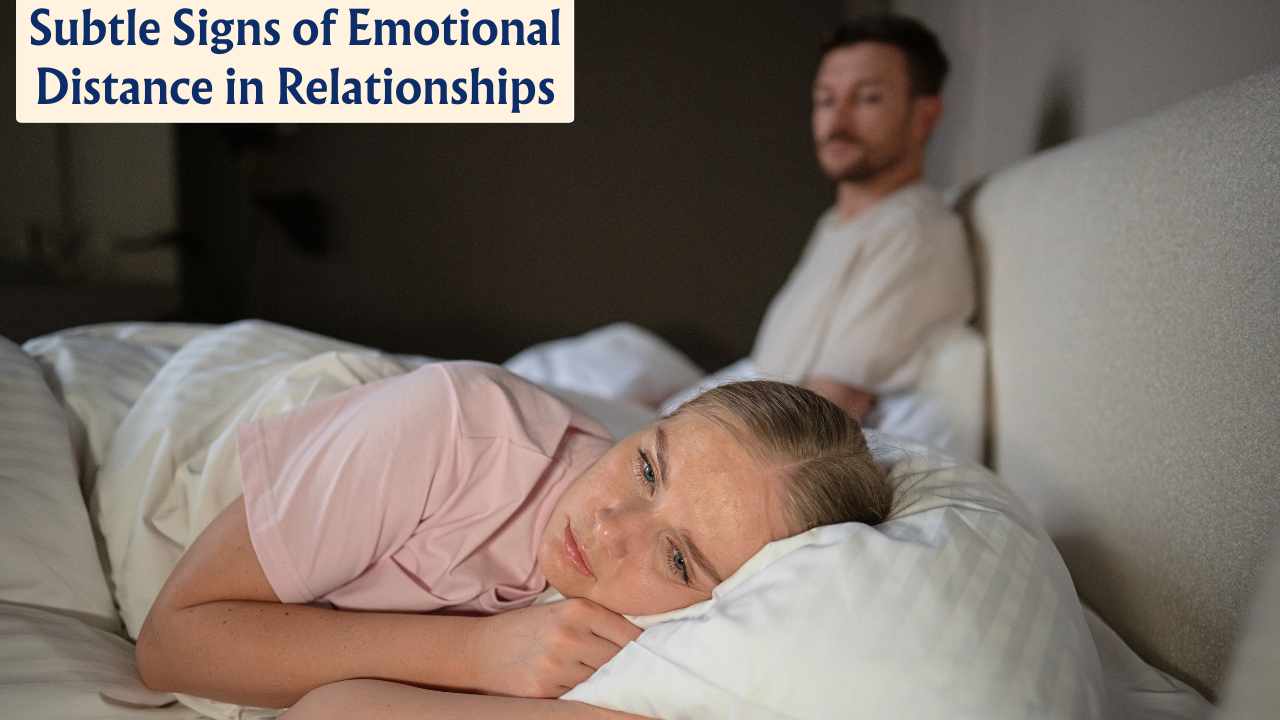
There are moments in long relationships that do not feel dramatic at all. No loud arguments. No obvious betrayal. Just a quiet shift in the atmosphere between two people who once moved through daily life with ease. It can appear in the way conversations become shorter at dinner, or how one person begins reaching for their phone during small pauses that used to feel comfortable. Emotional distance rarely arrives all at once. More often, it grows gradually through tiny emotional withdrawals that seem harmless in isolation.
Many people quietly realize something feels different long before they can explain it clearly. The relationship still exists on the surface, but the emotional rhythm underneath it has changed. These subtle patterns are often easy to dismiss because daily routines continue as normal. Yet emotional closeness depends less on grand gestures and more on the small ways people remain emotionally available to one another over time.
1: Conversations Begin to Stay on the Surface
One of the earliest signs of emotional distance is often found in everyday conversation. Discussions become practical instead of personal. Partners may still talk regularly about schedules, errands, bills, or responsibilities, but deeper emotional exchanges slowly disappear. Questions about feelings, worries, hopes, or inner experiences become less common.
You may have noticed how easy it once felt to share small details about the day with each other. Over time, those details sometimes fade because emotional openness no longer feels naturally invited. In some relationships, silence begins to replace curiosity.
A woman once described sitting beside her partner during dinner while both of them talked politely about work deadlines for twenty minutes. Later that evening, she realized neither of them had asked how the other was actually feeling. The conversation was functional, but emotionally empty.
This shift does not always signal the end of love. Often, it reflects emotional fatigue, stress, distraction, or a gradual decline in emotional attentiveness that has gone unnoticed for too long.
2: Small Moments of Affection Become Less Natural
Emotional closeness is often maintained through ordinary gestures that barely seem important at the time. A hand resting briefly on someone’s shoulder. A quick text during the day. Eye contact during conversation. When emotional distance grows, these moments can begin to feel less spontaneous.
Sometimes people continue affectionate habits out of routine, but the emotional warmth behind them feels thinner. Physical closeness may still exist, yet emotional presence becomes inconsistent. You might find yourself sensing that interactions feel slightly mechanical, even if nothing openly negative has happened.
Psychologists often describe emotional connection as something reinforced through repeated moments of responsiveness and attention. Research on healthy relationship dynamics frequently highlights how small emotional interactions shape long-term closeness more than occasional grand expressions of affection.
The absence of these subtle gestures can create emotional loneliness that is difficult to explain because everything still appears “fine” from the outside.
3: One or Both People Stop Sharing Inner Thoughts
Emotional intimacy depends heavily on psychological openness. When people stop sharing their inner world, emotional separation quietly expands. This does not only involve major secrets. It often appears in much smaller ways.
Someone who once shared anxieties, embarrassing moments, personal reflections, or dreams for the future may begin keeping those thoughts private. Over time, emotional self-protection replaces emotional transparency.
Sometimes we begin to feel emotionally alone even while spending large amounts of time together. A partner may still be physically present, yet emotionally inaccessible. This can create confusion because the relationship still looks stable externally.
People often withdraw emotionally when they fear misunderstanding, criticism, emotional exhaustion, or conflict. In many cases, the withdrawal happens gradually enough that neither person fully notices it until emotional disconnection already feels deeply established.
4: Conflict Starts Getting Avoided Instead of Being Resolved
Many people assume frequent conflict is the clearest sign of relationship problems, but emotional distance can also appear through emotional avoidance. When couples stop discussing difficult feelings altogether, unresolved tension often settles quietly beneath the relationship.
At first, avoiding disagreement may feel peaceful. Over time, however, emotional honesty begins to disappear alongside conflict itself. One or both people may decide certain topics are “not worth bringing up anymore.” Eventually, emotional disengagement replaces emotional repair.
You might find yourself thinking conversations feel strangely careful, as though both people are protecting themselves from deeper emotional exposure. The relationship becomes emotionally quieter, but not necessarily emotionally healthier.
In emotionally connected relationships, conflict usually serves a secondary purpose beyond disagreement. It allows people to reveal unmet needs, vulnerabilities, disappointments, and emotional expectations. Without those conversations, emotional understanding slowly weakens.
5: Daily Life Begins to Feel More Independent Than Shared
Healthy relationships absolutely require individuality. Emotional distance, however, often appears when shared emotional experiences begin disappearing entirely. Partners may slowly stop involving each other in the emotional texture of everyday life.
This can show up subtly. One person begins making plans alone more often. Small stories go untold. Personal victories are shared with friends before a partner hears about them. Emotional reactions become increasingly private experiences.
A man once noticed he had stopped instinctively texting his partner when something funny happened during the day. Months earlier, she would have been the first person he wanted to tell. The realization unsettled him because the emotional habit had disappeared without any conscious decision.
These small changes matter because emotional connection is built through repeated inclusion. When daily emotional experiences stop feeling shared, psychological separation often grows quietly underneath ordinary routines.
6: Emotional Responses Start Feeling Delayed or Distant
In emotionally connected relationships, people usually respond to each other’s emotional states with natural attentiveness. When emotional distance grows, responses can become slower, flatter, or emotionally muted.
One partner may describe feeling stressed, disappointed, or overwhelmed, only to receive distracted acknowledgment rather than emotional engagement. The issue is not always cruelty or lack of care. Sometimes emotional bandwidth has simply narrowed over time.
Many people quietly recognize this shift through intuition before they can identify specific examples. They begin sensing that emotional reactions no longer feel emotionally synchronized.
Over time, repeated experiences of emotional non-responsiveness can create hesitation around vulnerability itself. People naturally become more guarded when emotional connection feels uncertain or inconsistent.
7: The Relationship Starts Feeling More Habitual Than Emotional
Long-term relationships naturally develop routines, and routines themselves are not unhealthy. Emotional distance becomes more noticeable when the relationship begins operating almost entirely through habit rather than emotional presence.
Couples may continue functioning well as roommates, co-parents, or life partners while emotional intimacy quietly weakens underneath daily responsibilities. The structure of the relationship remains intact, but the emotional energy inside it feels thinner.
You may have noticed how some relationships appear stable from the outside while both people privately feel emotionally disconnected. This experience can be difficult to describe because there may not be a single obvious problem causing it.
Emotional closeness usually depends on continued emotional attention. Without it, relationships can slowly become systems of routine rather than spaces of emotional connection and mutual psychological presence.
Why Emotional Distance Often Grows Quietly
Emotional distance rarely develops because of one single event alone. More often, it grows through accumulated moments of emotional distraction, stress, avoidance, exhaustion, or unspoken disappointment. Modern life encourages constant mental fragmentation, and relationships can slowly absorb that emotional fatigue over time.
Sometimes people assume emotional distance means love has disappeared entirely, but relationships are often more psychologically complex than that. Emotional connection requires ongoing emotional attention, responsiveness, curiosity, and vulnerability. When those elements weaken, distance can appear even between people who still care deeply about one another.
The quiet nature of emotional distance is precisely what makes it difficult to recognize early. There is rarely a dramatic moment announcing its arrival. Instead, it often reveals itself through subtle absences that slowly reshape the emotional atmosphere between two people.
Awareness matters because emotional patterns tend to become clearer once people begin paying attention to them gently and honestly. Sometimes the smallest emotional shifts reveal the most important truths about where a relationship currently stands.